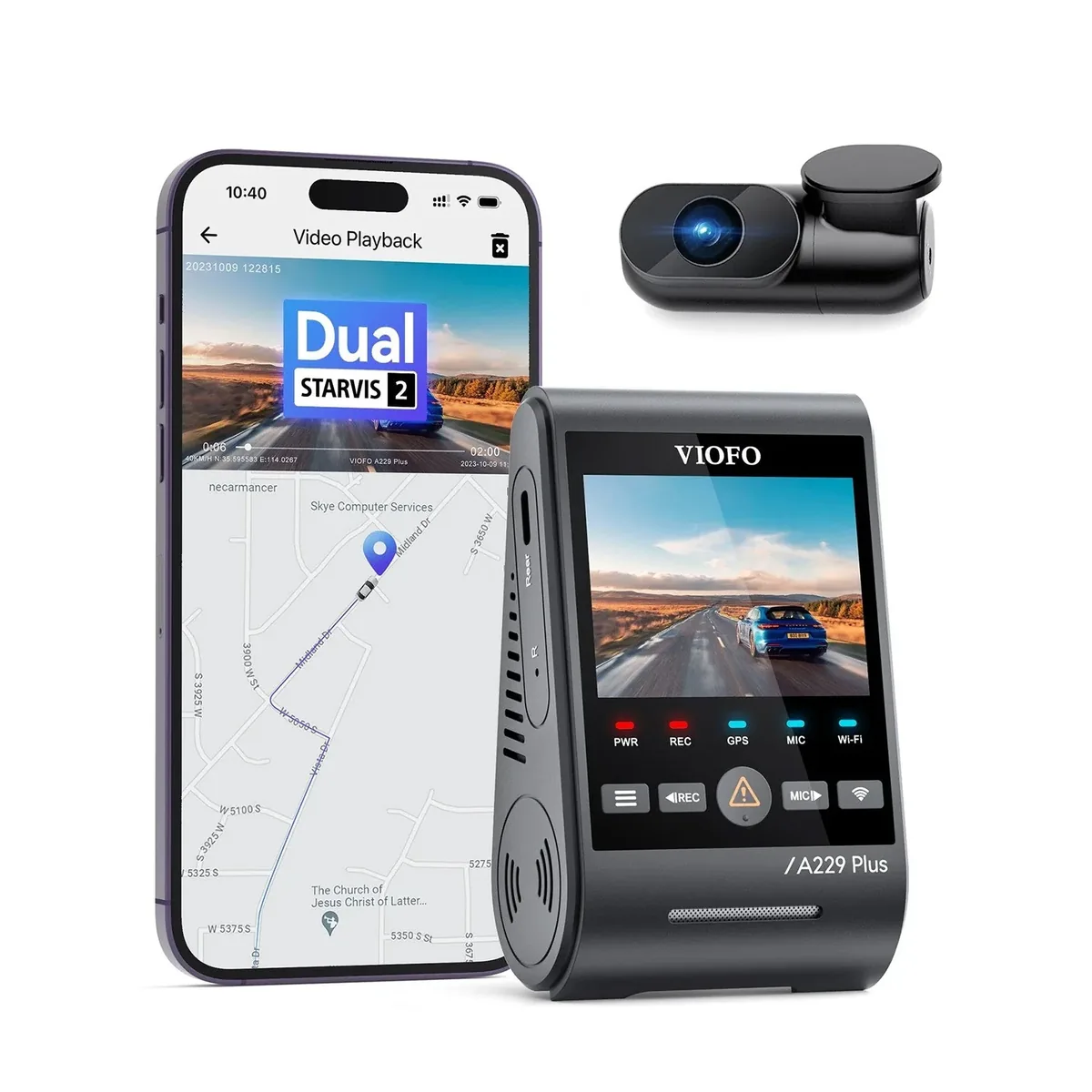
Viofo A229 Plus 2CH
No rating shown: we have no owner rating for this camera from a source we can cite. Why
The A229 Plus is the model most two-channel shopping ends at, because it is the cheapest way to get a real STARVIS 2 sensor on both ends of the car. Both cameras are 5MP Sony STARVIS 2 IMX675 modules recording 2560x1440; the front runs at up to 60fps on a 140-degree f/1.8 lens, the rear at 30fps on a wider 160-degree f/1.9. HDR runs on both channels rather than front-only, which is the difference you notice coming out of a parking garage into daylight. Matching sensors front and rear also means the rear footage is genuinely readable rather than merely present - most dual kits at this price pair a good front camera with a 1080p afterthought. The unit is expandable: a third infrared cabin module or a telephoto module can be added later on the same body. Power is a supercapacitor rated -4 to 149 degrees Fahrenheit, connectivity is 5GHz Wi-Fi with Bluetooth and voice control, and parking modes need the Type-C HK4 hardwire kit.
- Approx. price
- ~$230
- Hot car
- Supercapacitor
- Supercapacitor, rated to 149°F
- Parking tier
- Buffered
- Hardwire kit optional
The default two-channel install when you want the rear footage to be evidence, not just context.
The description and the pros and cons above are written from published specifications, not from owner reports. Owner sentiment, where we have it, is in its own section below.
What the numbers mean here
The front camera records 2,560 horizontal pixels across a published 140-degree field of view, which is 18.3 pixels per degree — plate-legible close in. The rear channel manages 16, so it is the less detailed of the two. How this is calculated, and what it does not tell you.
It runs on a supercapacitor rather than a lithium cell, so there is no battery to swell in a car parked in summer sun — the classic way a windshield-mounted camera dies. The maker publishes an operating range of -4°F to 149°F. Supercapacitors and heat.
Keeps a rolling buffer, so the seconds before an impact are saved as well as the impact itself. It is the most useful parking mode and the hungriest. The hardwire kit is a separate purchase, which is the line item people forget when budgeting. What each parking mode records.
Specifications
Manufacturer-published figures, recorded from Viofo’s own product page and a specialist retailer’s spec table. Fields the maker does not publish are omitted rather than guessed.
- Type
- Dual-channel
- Channels
- 2
- Front resolution
- 1440p
- Front frame rate
- 60fps
- Front sensor
- Sony STARVIS 2 IMX675
- Front field of view
- 140° (as published)
- Front aperture
- f/1.8
- Rear resolution
- 1440p
- Rear sensor
- Sony STARVIS 2 IMX675
- HDR
- HDR
- Power cell
- Supercapacitor
- Operating temperature
- -4°F to 149°F
- Parking modes
- buffered, time-lapse, low-bitrate, motion
- Hardwire kit
- optional
- GPS
- built-in
- Wi-Fi
- 5 GHz
- LTE / cloud
- None
- Max storage
- 512GB microSD
- CPL filter
- optional
- Screen
- 2.4-inch
- Voice control
- Yes
- Form factor
- wedge
- Mount
- adhesive
- Release year
- 2023
Features
- Matched Sony STARVIS 2 IMX675 sensors front and rear, both 1440p
- Front 1440p at up to 60fps, rear 1440p at 30fps
- HDR on both channels
- Expandable to three channels with an IR cabin or telephoto module
- 5GHz Wi-Fi, built-in GPS, Bluetooth, voice control
- Supercapacitor, -4 to 149 degrees Fahrenheit
- 2.4-inch screen, microSD to 512GB
Where it is strong
- A 1440p STARVIS 2 rear camera instead of the 1080p afterthought most dual kits ship - rear plates are actually readable
- HDR on both channels, so a car behind you under a streetlight is not a white blob
- 60fps on the front channel at 1440p
- Can be expanded to a third channel later without replacing the front unit
- Supercapacitor and a 149F ceiling on a camera that costs less than most 4K rivals
Where it gives way
- The 160-degree rear lens spreads 2560 pixels thinner than the front camera does - about 16 px per degree against 18
- f/1.8 front aperture rather than the f/1.6 on Viofo's older 1440p cameras
- Parking modes are locked behind the separately sold HK4 hardwire kit
- The 2.4-inch screen is bright enough at night to be worth turning off in the menu
What owners say
Summarised from public owner discussion. Nothing here is our own testing.
When owners answer "what two-channel camera should I buy", this is usually the answer, and the reasoning is consistent: current Sony sensors at both ends, a supercapacitor, and Viofo's habit of actually shipping firmware fixes. Owners coming from a 1080p rear camera describe the 1440p rear as the change they notice day to day.
Faults do get reported, and they are real but mostly small. A double-beep state that stops recording shows up here as it does across the Viofo line, and it usually resolves with a properly formatted high-endurance card. The HK4 hardwire kit's chunky ferrite core is a running complaint from people trying to route it behind trim. And one owner's experience is worth carrying forward as a reality check: with every setting maxed, plates on moving cars were still not readable. That is 1440p spread over 140 degrees doing what physics says it will do, not a defect.
New buyers repeatedly ask whether the hardwire kit is mandatory. It is not. Plugged into a 12V socket the camera records while the engine runs; the kit only exists to unlock parking mode.
What owners like
- The most commonly recommended two-channel camera among owners, and the recommendation is usually phrased as the default rather than the best
- Owners moving from a 1080p rear camera single out the 1440p rear as the upgrade they actually notice
- Viofo's firmware cadence gets credit - owners assume reported quirks will be fixed, and often they are
- Owners in hot states pick it over battery-powered rivals specifically for the supercapacitor
- The HK4 hardwire kit is shared across the current Viofo range, so upgrading later does not mean rewiring
Common complaints
- The double-beep-and-stop-recording fault turns up here too, surviving card reformats and app-side formatting for some owners
- The HK4 kit has a large ferrite core on the USB-C end that owners find genuinely hard to route through a tight A-pillar
- At least one owner set everything to maximum bitrate and still could not read plates on moving cars, describing the image as pixelated - a reminder that 1440p across a 140-degree lens has limits
- Loop length options stop at ten minutes, which owners wanting longer single files find restrictive
- New owners are repeatedly confused about whether the hardwire kit is required; it is not, unless you want parking mode
What owners of the Viofo A229 Plus 2CH ask
Do I need the HK4 hardwire kit?
Can it read license plates on moving cars?
Why does it double-beep and stop recording?
Is the ferrite core on the hardwire cable a problem?
How does it compare to the A229 Pro?
Compare the A229 Plus 2CH
Similar cameras
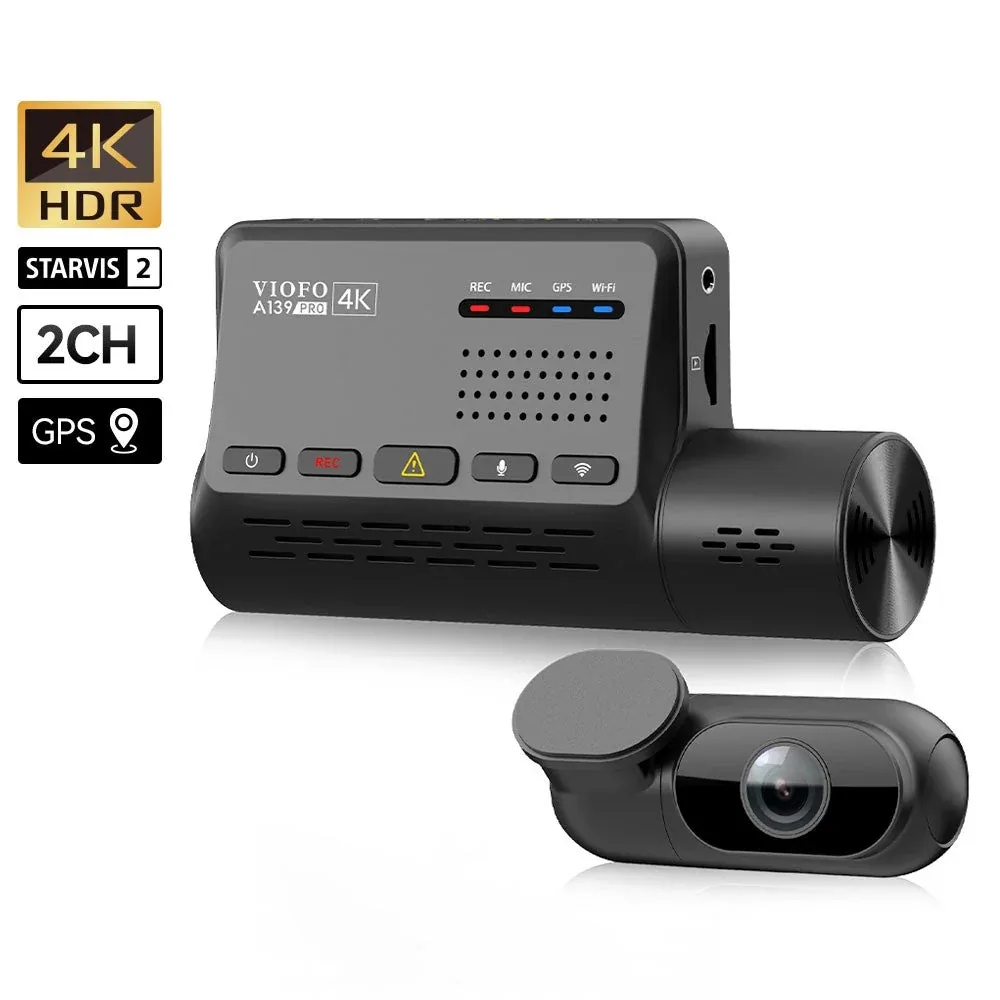
Viofo A139 Pro 2CH
- Front px/°
- 27.4
- Front
- 2160p/30
- 140° lens
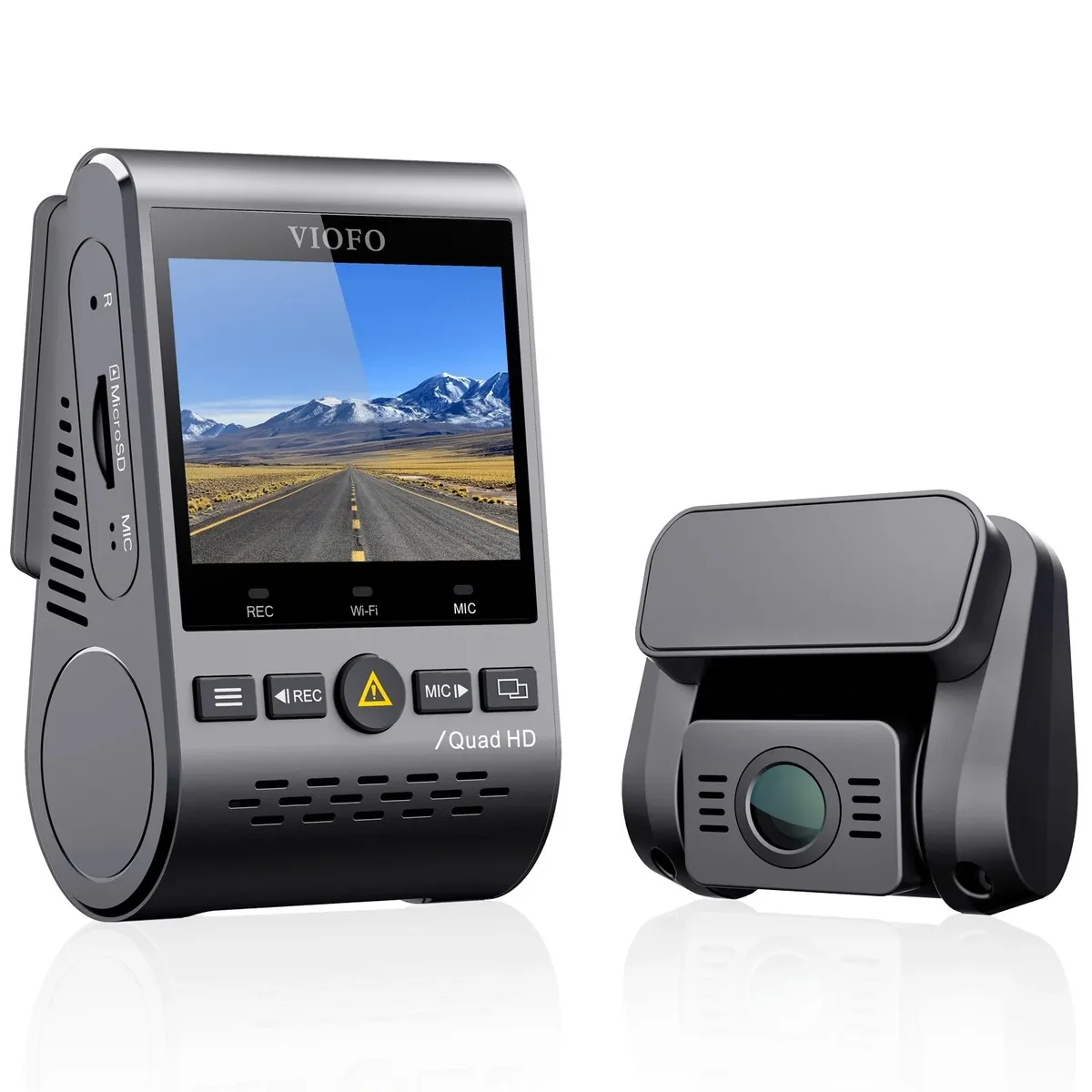
Viofo A129 Plus Duo
- Front px/°
- 18.3
- Front
- 1440p/60
- 140° lens
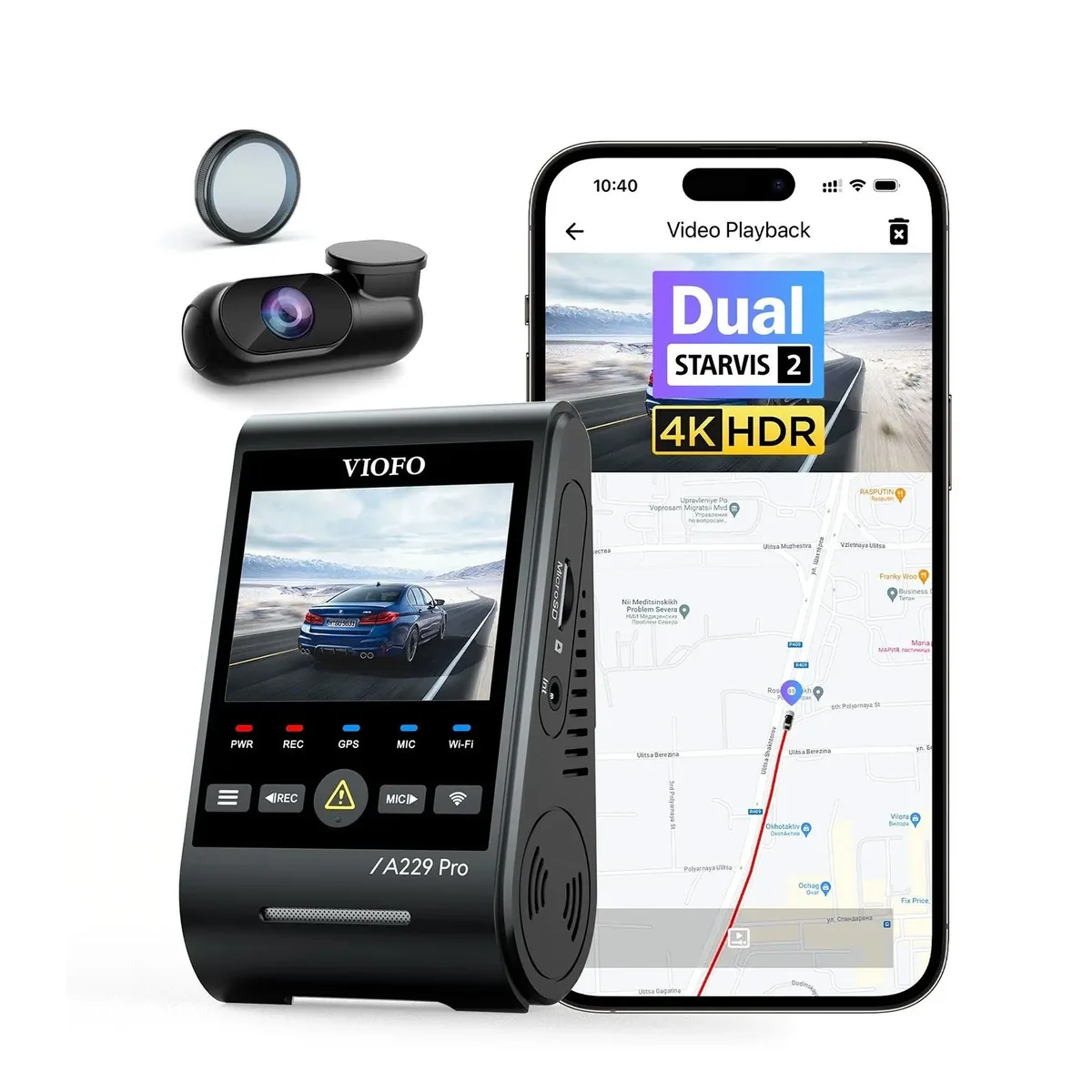
Viofo A229 Pro 2CH
- Front px/°
- 27.4
- Front
- 2160p/30
- 140° lens