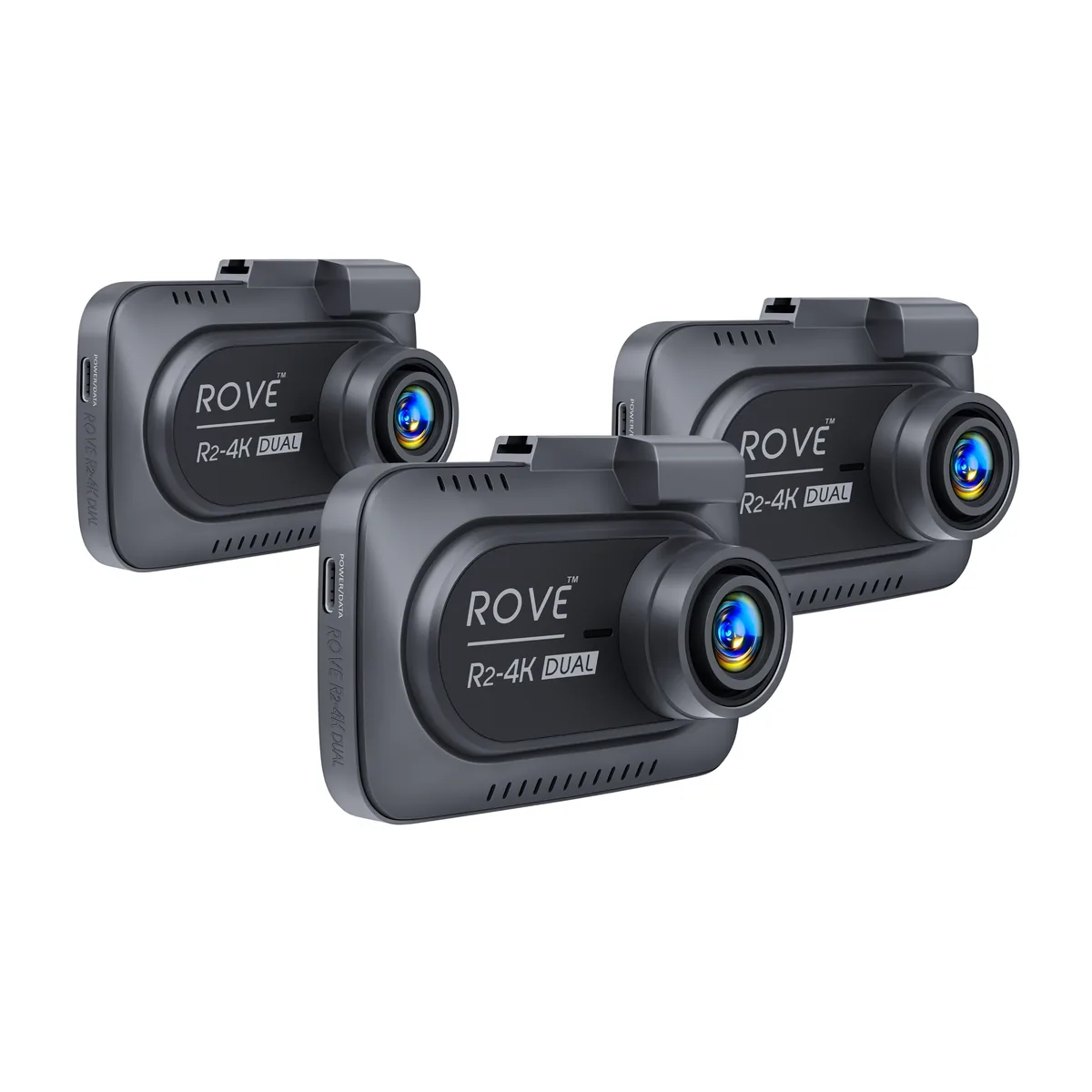
Rove R2-4K Dual
No rating shown: we have no owner rating for this camera from a source we can cite. Why
Rove is unusually direct about this one: the product title itself says "4K Upscaled", which is more candour than most of the budget market manages. The front sensor is a 5-megapixel Sony STARVIS 2 IMX675 with a native 2592x1944 output, upsampled to a 3840x2160 file, on an f/1.5 lens at 150 degrees. Rated on real optical pixels that is about 17 per degree. The STARVIS 2 part is genuine and it matters more than the resolution label - it is the same sensor family in cameras costing twice as much, and it is why the night footage is better than the price suggests. The rear camera is 1080p on a 140-degree lens, narrower than most rear cameras and better for it. A 128GB card is included, Wi-Fi runs at 5.8GHz for fast downloads, GPS is built in and the power system is a supercapacitor. As with the rest of Rove's line there is no published operating-temperature range and the hardwire kit for parking mode is extra.
- Approx. price
- ~$200
- Hot car
- Supercapacitor
- Supercapacitor, no published temperature range
- Parking tier
- Time-lapse / motion
- Hardwire kit optional
A two-channel budget install where night performance matters more than the number on the box.
The description and the pros and cons above are written from published specifications, not from owner reports. Owner sentiment, where we have it, is in its own section below.
What the numbers mean here
The front camera records 2,592 horizontal pixels across a published 150-degree field of view, which is 17.3 pixels per degree — plate-legible close in. The rear channel manages 13.7, so it is the less detailed of the two. How this is calculated, and what it does not tell you.
It runs on a supercapacitor rather than a lithium cell, so there is no battery to swell in a car parked in summer sun — the classic way a windshield-mounted camera dies. The maker publishes no operating-temperature range at all, so the real limit is unknown. Supercapacitors and heat.
Records continuously at a reduced frame rate, or only once motion or an impact is detected. You get context, at one to three frames a second. The hardwire kit is a separate purchase, which is the line item people forget when budgeting. What each parking mode records.
Specifications
Manufacturer-published figures, recorded from Rove’s own product page and a specialist retailer’s spec table. Fields the maker does not publish are omitted rather than guessed.
- Type
- Dual-channel
- Channels
- 2
- Front resolution
- 2160p (upscaled)
- Front frame rate
- 30fps
- Front sensor
- Sony STARVIS 2 IMX675
- Front field of view
- 150° (as published)
- Front aperture
- f/1.5
- Rear resolution
- 1080p
- HDR
- HDR
- Power cell
- Supercapacitor
- Parking modes
- time-lapse, motion
- Hardwire kit
- optional
- GPS
- built-in
- Wi-Fi
- 5 GHz
- LTE / cloud
- None
- Max storage
- 512GB microSD
- CPL filter
- optional
- Screen
- 3-inch
- Voice control
- No
- Form factor
- wedge
- Mount
- suction
- Release year
- 2024
Features
- Front files at 3840x2160, upscaled from a native 2592x1944 Sony STARVIS 2 IMX675
- Rear 1080p on a relatively narrow 140-degree lens
- f/1.5 front aperture
- 5.8GHz Wi-Fi and built-in GPS
- Supercapacitor power, 128GB card included
- 3-inch screen, microSD to 512GB
Where it is strong
- A real Sony STARVIS 2 sensor at two hundred dollars for two channels
- Rove says "upscaled" on the product itself rather than hiding it, which is rare in this price bracket
- The 140-degree rear lens is narrower than most and concentrates its 1080p where it is useful
- Card in the box, 5.8GHz Wi-Fi, supercapacitor power
Where it gives way
- The 4K file is interpolated - about 17 optical px per degree, not the 27 the label implies
- No published operating-temperature range from Rove on any model
- No voice control, and the hardwire kit that unlocks parking mode is an extra purchase
- Suction mount, which is convenient but less heat-stable than adhesive
What owners say
Summarised from public owner discussion. Nothing here is our own testing.
The R2-4K Dual gets bought by people who want a supercapacitor two-channel camera for a hot climate and find the Viofo equivalent outside their budget. Owners who bought it are generally content, and the Rove app gets specifically better marks than its closest budget rival's.
Problems here come from the install rather than the optics. Parking mode engaging while the car is running points at how the hardwire kit senses the ignition, and owners end up asking each other which fuses to use on their particular vehicle because it is not documented anywhere. Wi-Fi conflicts with CarPlay turn up here as they do across the budget field, and the workaround is the usual one - leave the camera's Wi-Fi off.
The honest framing owners deserve: like the single-channel R2-4K, the front camera writes a 3840-wide file from a 5-megapixel sensor. Rove says "4K Upscaled" in the product title itself, which is more candour than most of this price bracket manages, but it does mean the optical detail sits closer to a good 1440p camera than to a native-4K one.
What owners like
- Owners looking for a two-channel camera with a supercapacitor to survive southern summers put it on the shortlist alongside the Viofo range
- The Rove app is rated noticeably better by owners than the app on its closest budget rival
- It uses the same Sony STARVIS 2 sensor as cameras costing considerably more
- Owners buying on sale describe it as working great in ordinary use
Common complaints
- Parking mode engages with the car running for some owners, which points at how the hardwire kit reads the ignition
- The hardwire kit needs the right fuses and owners ask each other which ones to use on their specific car rather than finding it documented
- Wi-Fi conflicts with CarPlay are reported, with owners disabling the camera's Wi-Fi to get the head unit working
- Owners who bought it because the Viofo was not on sale sometimes end up asking whether they should return it, which is a telling pattern
What owners of the Rove R2-4K Dual ask
Why does it go into parking mode while the car is running?
Which fuses should I use?
Does the Wi-Fi interfere with CarPlay?
Is the 4K upscaled?
Compare the R2-4K Dual
Similar cameras
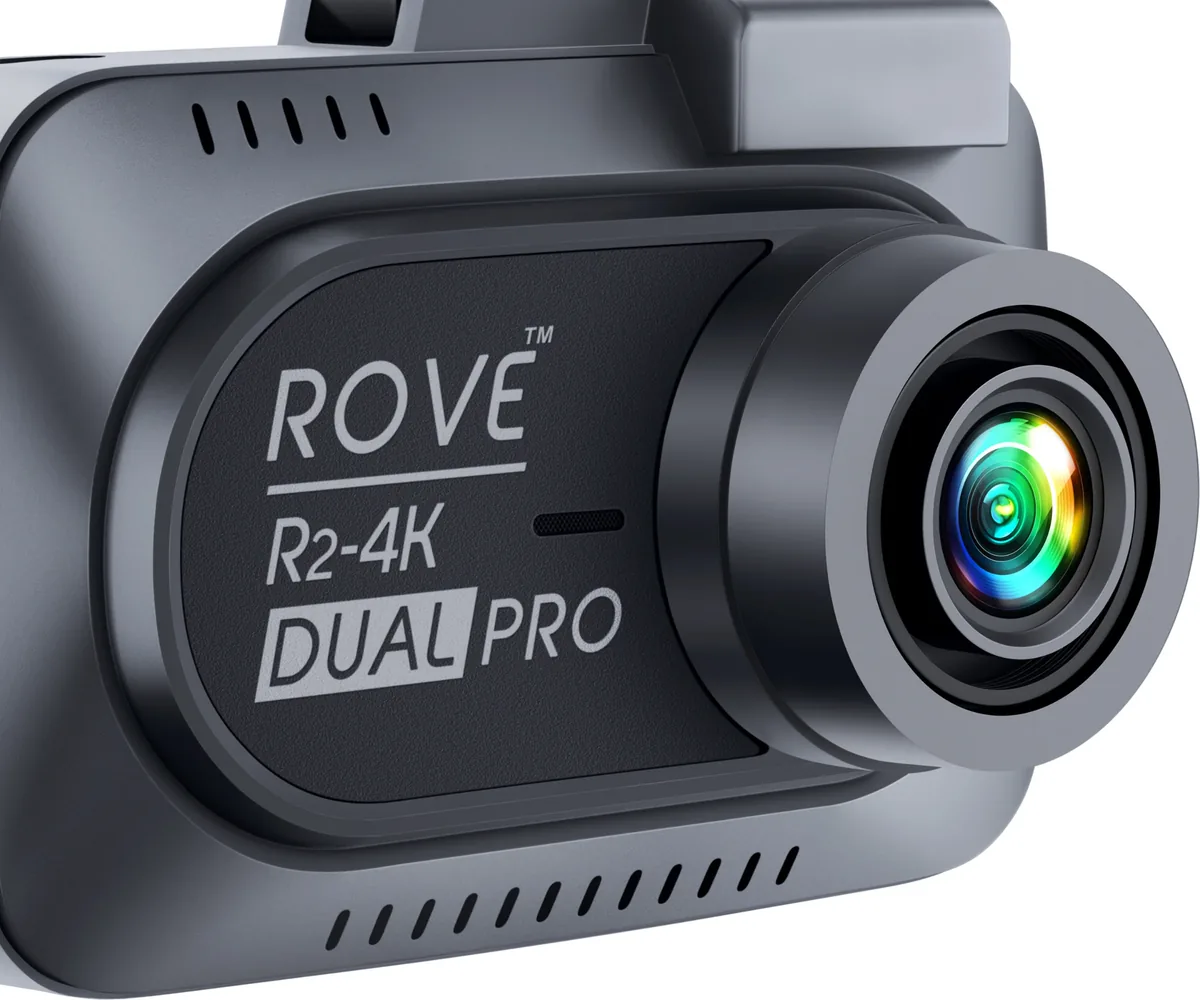
Rove R2-4K Dual Pro
- Front px/°
- 25.6
- Front
- 2160p/30
- 150° lens
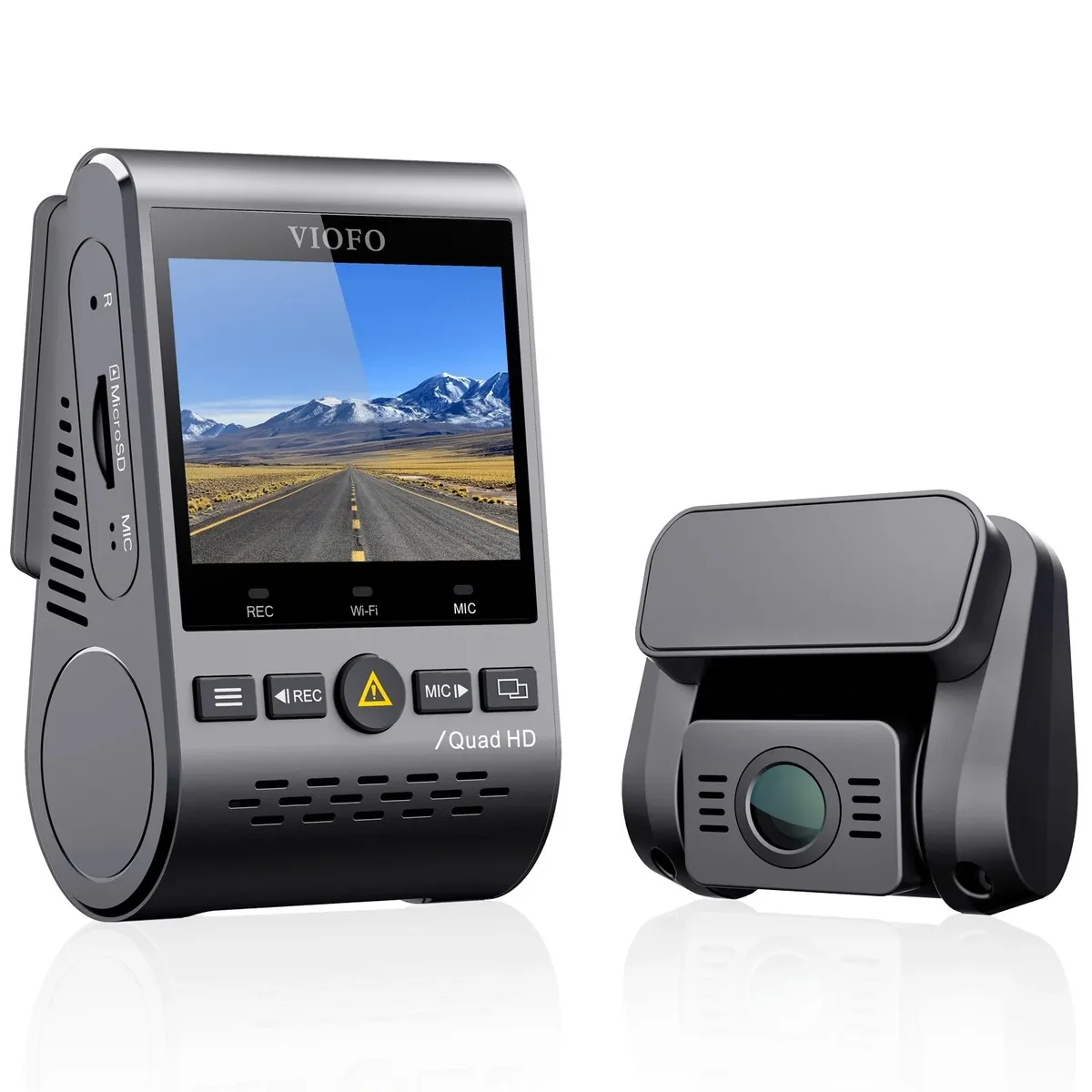
Viofo A129 Plus Duo
- Front px/°
- 18.3
- Front
- 1440p/60
- 140° lens
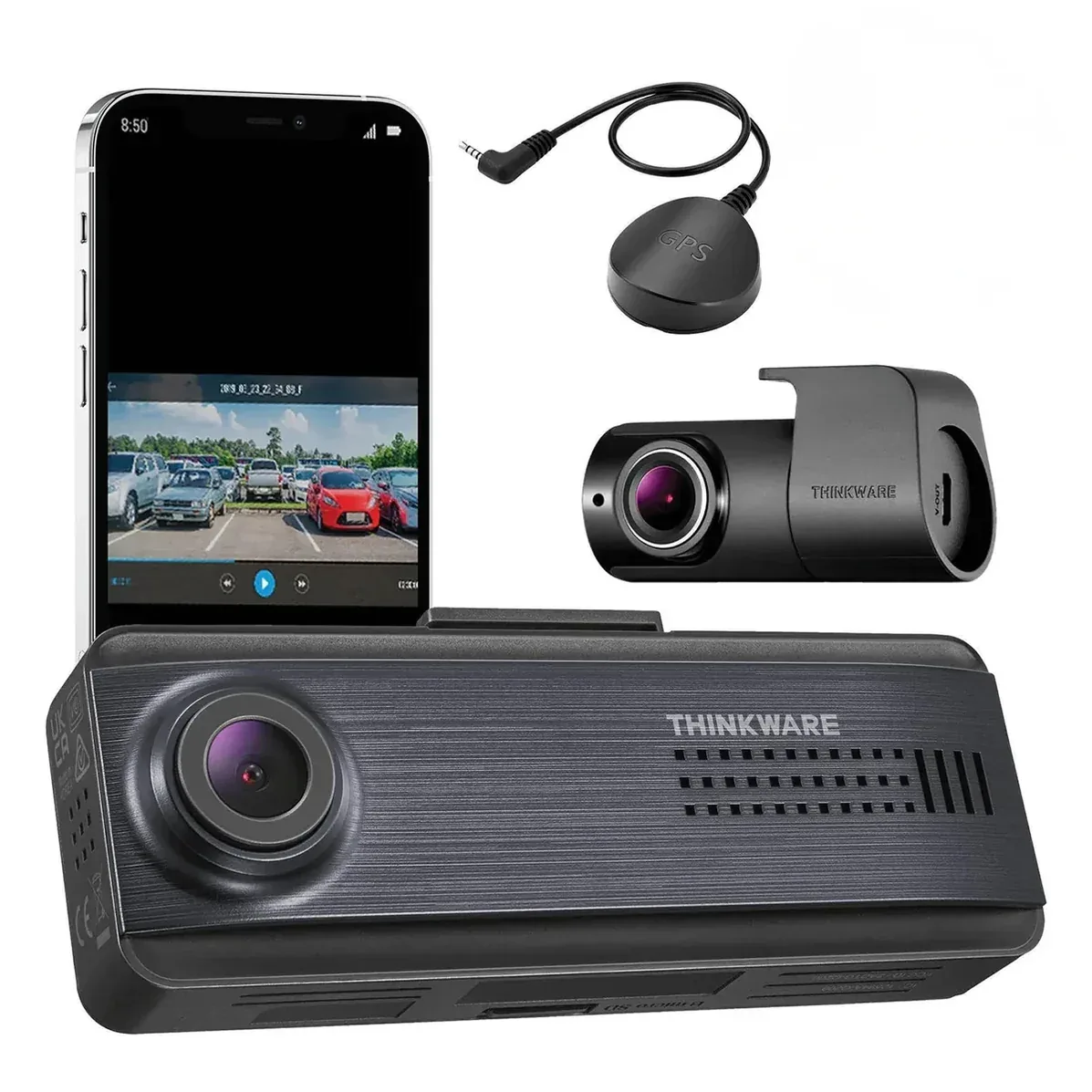
Thinkware Q200 2CH
- Front px/°
- 20.5
- Front
- 1440p/30
- 125° lens