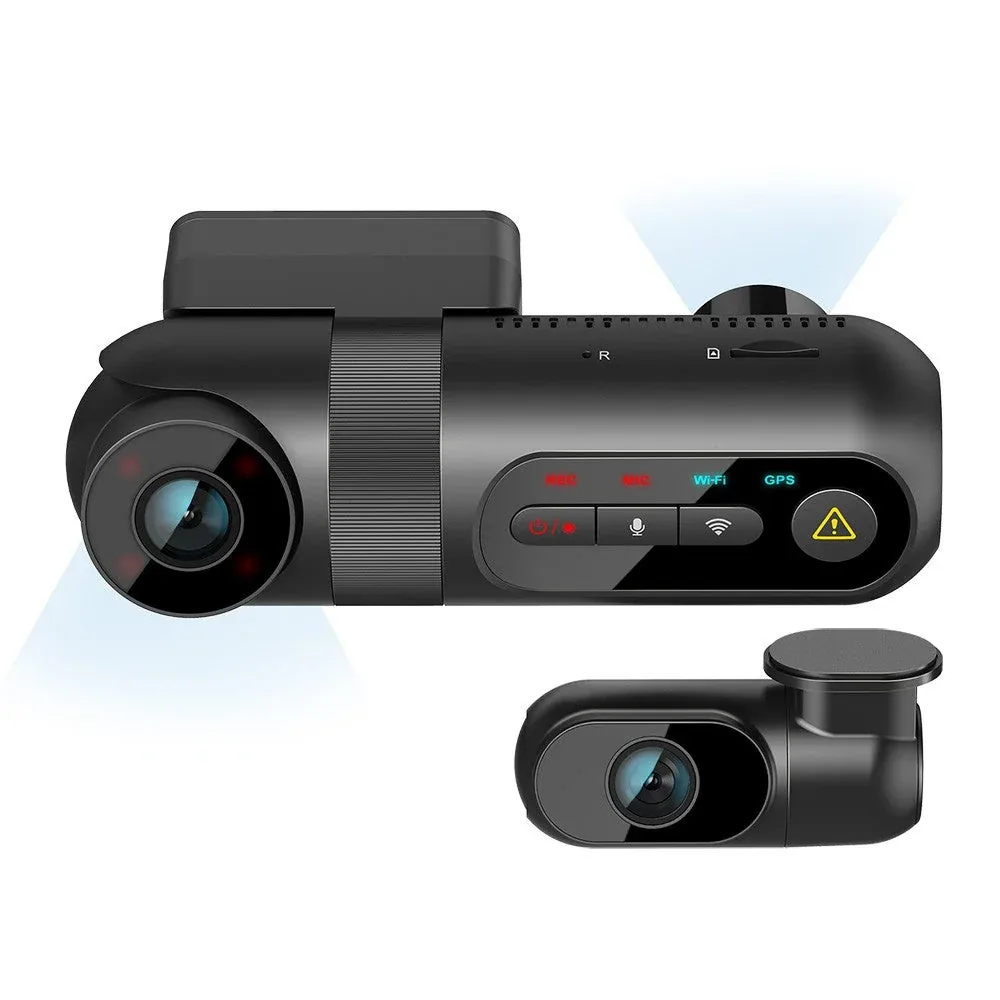
Viofo T130 3CH
No rating shown: we have no owner rating for this camera from a source we can cite. Why
The T130 is the cheapest way in this catalog to get three channels with an infrared cabin camera, and it is unapologetically built for people driving for a living rather than for image-quality enthusiasts. Front is 2560x1440 at 30fps on a 5MP Sony IMX335 behind an f/1.6 140-degree lens; the cabin and rear are both 1080p Sony STARVIS IMX291 modules on 165-degree f/1.8 lenses, with infrared LEDs on the cabin channel so the interior records with all the lights off. The body is a screenless cylinder that sits flat to the glass. Where it shows its price is connectivity: 2.4GHz Wi-Fi only, no voice control, and sensors a generation behind the A229 line. What it does not compromise on is the supercapacitor, rated -4 to 149 degrees Fahrenheit, which is exactly right for a camera that spends summer afternoons in a parked car waiting for the next fare. Parking modes work with the Type-C HK4 hardwire kit, sold separately.
- Approx. price
- ~$180
- Hot car
- Supercapacitor
- Supercapacitor, rated to 149°F
- Parking tier
- Buffered
- Hardwire kit optional
Rideshare and delivery drivers who need three angles on a working budget.
The description and the pros and cons above are written from published specifications, not from owner reports. Owner sentiment, where we have it, is in its own section below.
What the numbers mean here
The front camera records 2,560 horizontal pixels across a published 140-degree field of view, which is 18.3 pixels per degree — plate-legible close in. The rear channel manages 11.6, so it is the less detailed of the two. How this is calculated, and what it does not tell you.
It runs on a supercapacitor rather than a lithium cell, so there is no battery to swell in a car parked in summer sun — the classic way a windshield-mounted camera dies. The maker publishes an operating range of -4°F to 149°F. Supercapacitors and heat.
Keeps a rolling buffer, so the seconds before an impact are saved as well as the impact itself. It is the most useful parking mode and the hungriest. The hardwire kit is a separate purchase, which is the line item people forget when budgeting. What each parking mode records.
Specifications
Manufacturer-published figures, recorded from Viofo’s own product page and a specialist retailer’s spec table. Fields the maker does not publish are omitted rather than guessed.
- Type
- Triple-channel
- Channels
- 3
- Front resolution
- 1440p
- Front frame rate
- 30fps
- Front sensor
- Sony IMX335
- Front field of view
- 140° (as published)
- Front aperture
- f/1.6
- Rear resolution
- 1080p
- Rear sensor
- Sony STARVIS IMX291
- Interior resolution
- 1080p
- HDR
- HDR
- Power cell
- Supercapacitor
- Operating temperature
- -4°F to 149°F
- Parking modes
- buffered, time-lapse, low-bitrate, motion
- Hardwire kit
- optional
- GPS
- built-in
- Wi-Fi
- 2.4 GHz
- LTE / cloud
- None
- Max storage
- 512GB microSD
- CPL filter
- optional
- Screen
- None
- Voice control
- No
- Form factor
- cylinder
- Mount
- adhesive
- Release year
- 2022
Features
- Three channels: 1440p front, 1080p infrared cabin, 1080p rear
- Infrared LEDs on the cabin camera for recording with the lights off
- Screenless cylindrical body
- Supercapacitor, -4 to 149 degrees Fahrenheit
- Built-in GPS logger, 2.4GHz Wi-Fi, app control
- microSD to 512GB shared across three channels
Where it is strong
- Three channels including a real infrared cabin camera for under two hundred dollars
- Supercapacitor power with a 149F ceiling, which is what a car that sits in parking lots all day actually needs
- Screenless and small enough that passengers mostly do not notice it
- Takes a 512GB card, so three channels still give a reasonable loop
Where it gives way
- 2.4GHz Wi-Fi only, and downloading three channels of footage over it is a genuinely long wait
- No voice control, so locking a clip means reaching for the camera or the app
- Older IMX335 and IMX291 sensors - noticeably noisier at night than the A229 line
- The front lens is quoted at 140 degrees but only 1440p behind it, so plate legibility at distance is limited
- Parking mode needs the separately sold HK4 kit
What owners say
Summarised from public owner discussion. Nothing here is our own testing.
The T130 is bought by people who need three angles and have a budget, often two at a time for a household with two drivers. The infrared cabin channel is the reason it gets chosen over a two-channel camera, and on that count owners are satisfied.
When this one goes wrong it tends to need a warranty claim rather than a fix. Wi-Fi that never comes up at all - no network broadcast, LED never lights - has happened to owners out of the box, and Viofo has replaced units. Card trouble is the other recurring theme, with 'insert SD card' appearing on a card that had been working and reformat prompts arriving unprompted.
The app is thin by current standards: view a clip or delete it, and not much else. Combined with the 2.4GHz radio, most owners end up doing anything serious with a card reader instead.
What owners like
- Owners buying for multiple vehicles at once pick it because three channels at this price makes a two-car purchase affordable
- The infrared cabin camera is the feature people buy it for, and it does the job it is bought for
- It uses the same HK4 hardwire kit as the rest of the current Viofo line, so the install knowledge transfers
- Owners report Viofo honouring warranty claims on faulty units
Common complaints
- Dead-on-arrival Wi-Fi is a reported failure - the camera's network never appears and the Wi-Fi LED never lights, which needs a warranty claim rather than troubleshooting
- The app offers little beyond view and delete, which owners who wanted real clip management find thin
- Card trouble recurs: owners get 'insert SD card' on a card that was working, and reformat prompts out of nowhere
- 2.4GHz Wi-Fi makes pulling three channels of footage slow enough that owners give up and use the card reader
What owners of the Viofo T130 3CH ask
The camera's Wi-Fi never shows up on my phone. What now?
Is the three-channel version harder on the car battery?
Why does it keep asking me to reformat the card?
Is the app any good?
Compare the T130 3CH
Similar cameras
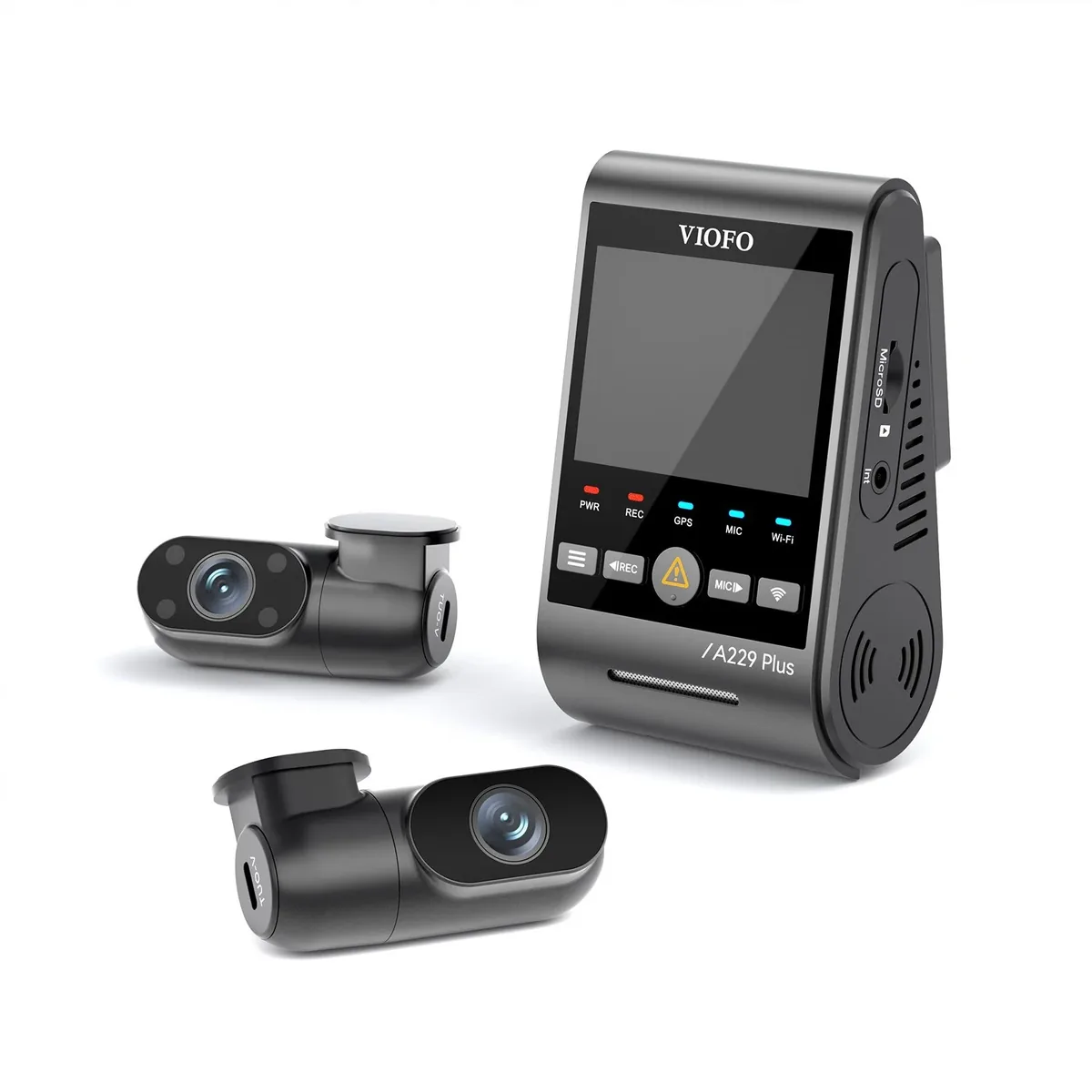
Viofo A229 Plus 3CH
- Front px/°
- 18.3
- Front
- 1440p/60
- 140° lens
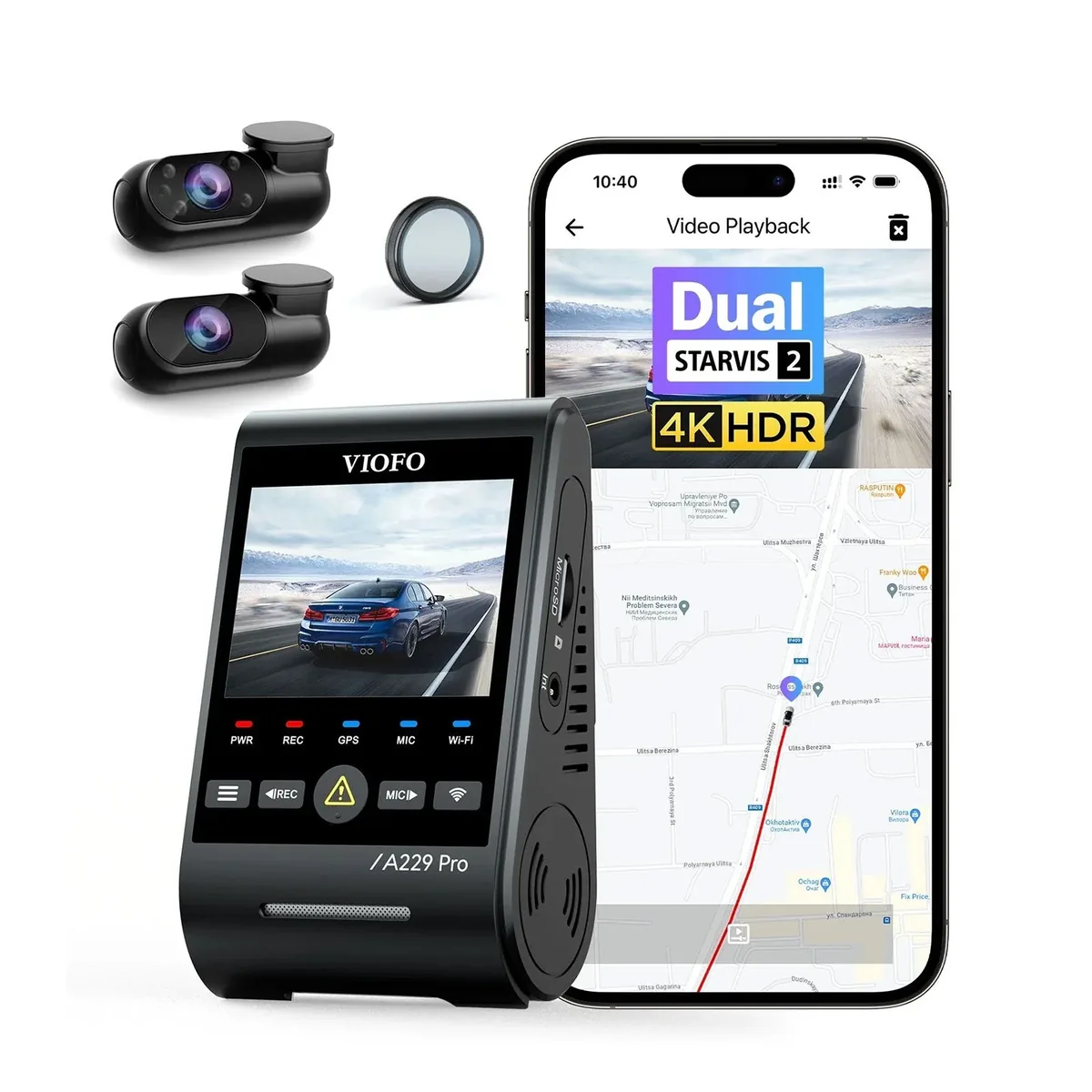
Viofo A229 Pro 3CH
- Front px/°
- 27.4
- Front
- 2160p/30
- 140° lens
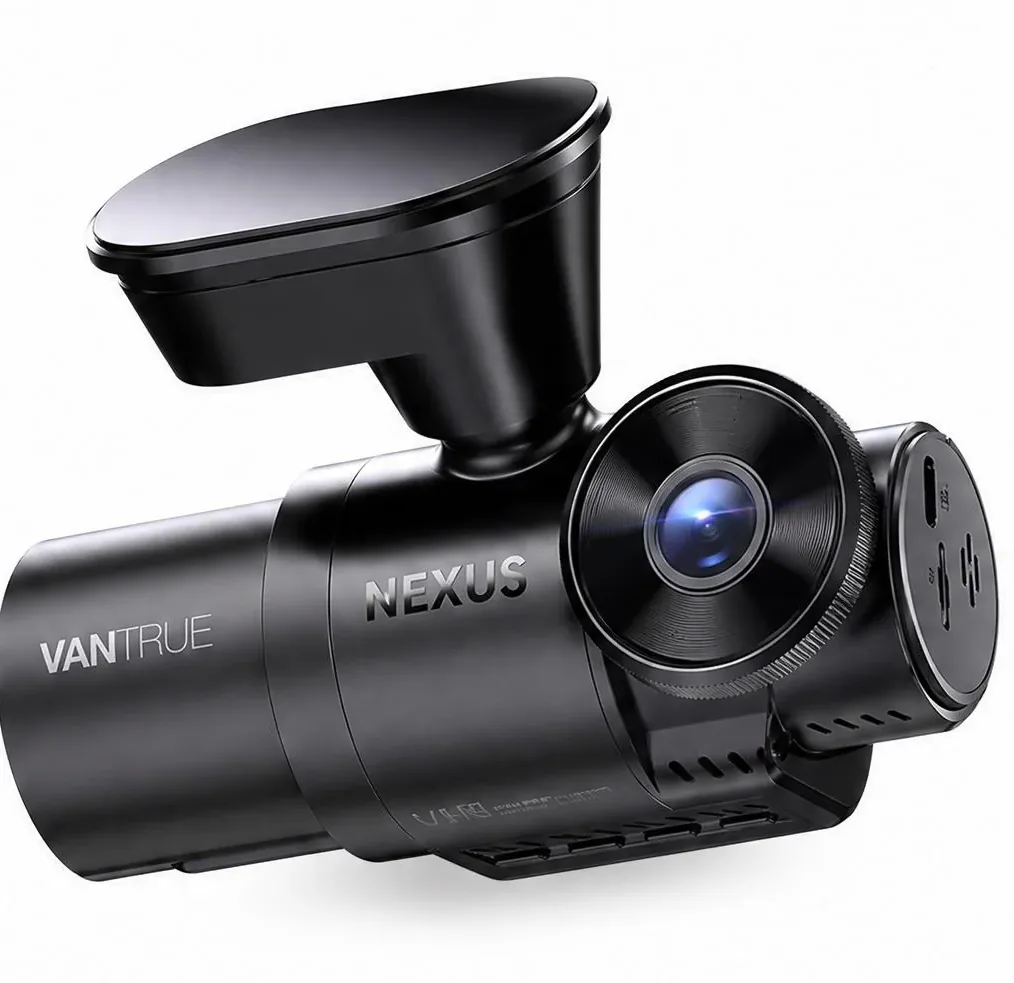
Vantrue Nexus 4S
- Front px/°
- 16.4
- Front
- 1944p/30
- 158° lens