Thinkware Q1000
No rating shown: we have no owner rating for this camera from a source we can cite. Why
The Q1000 records 2560x1440 at 30fps from matched Sony STARVIS IMX335 sensors front and rear, both on 156-degree lenses, which makes it one of very few cameras where both channels are genuinely identical. It also does 1920x1080 at 60fps if you would rather trade resolution for frame rate, and the menu lets you choose rather than deciding for you. Two things distinguish it from the budget field: it takes the same external radar module the U1000 uses, so Energy Saving Parking Mode 2.0 is available, and Thinkware fits a thermal sensor alongside the supercapacitor that shuts the camera down before heat damages it - a sensible belt-and-braces feature on a camera rated only to 140 degrees Fahrenheit. The trade-offs are the family ones: a 256GB card ceiling, a narrow operating range, no screen, no voice control, and cloud features that need an LTE module and a plan.
- Approx. price
- ~$300
- Hot car
- Supercapacitor
- Supercapacitor, rated to 140°F
- Parking tier
- Radar-buffered
- Hardwire kit optional
Even front-and-rear coverage with the option of radar parking, at a mid-range price.
The description and the pros and cons above are written from published specifications, not from owner reports. Owner sentiment, where we have it, is in its own section below.
What the numbers mean here
The front camera records 2,560 horizontal pixels across a published 156-degree field of view, which is 16.4 pixels per degree — plate-legible close in. The rear channel manages 16.4, so it resolves as finely as the front. How this is calculated, and what it does not tell you.
It runs on a supercapacitor rather than a lithium cell, so there is no battery to swell in a car parked in summer sun — the classic way a windshield-mounted camera dies. The maker publishes an operating range of 14°F to 140°F. Supercapacitors and heat.
Radar notices movement near the car and wakes the camera before anything touches it, so the approach is recorded without leaving the camera running all night. The hardwire kit is a separate purchase, which is the line item people forget when budgeting. What each parking mode records.
Specifications
Manufacturer-published figures, recorded from Thinkware’s own product page and a specialist retailer’s spec table. Fields the maker does not publish are omitted rather than guessed.
- Type
- Dual-channel
- Channels
- 2
- Front resolution
- 1440p
- Front frame rate
- 30fps
- Front sensor
- Sony STARVIS IMX335
- Front field of view
- 156° (as published)
- Rear resolution
- 1440p
- Rear sensor
- Sony STARVIS IMX335
- HDR
- HDR
- Power cell
- Supercapacitor
- Operating temperature
- 14°F to 140°F
- Parking modes
- buffered, time-lapse, radar, motion
- Hardwire kit
- optional
- GPS
- built-in
- Wi-Fi
- 5 GHz
- LTE / cloud
- Supported
- Max storage
- 256GB microSD
- CPL filter
- optional
- Screen
- None
- Voice control
- No
- Form factor
- wedge
- Mount
- adhesive
- Release year
- 2022
These features need an active paid plan on top of the hardware: remote live view, cloud backup, GPS tracking.
Features
- Matched Sony STARVIS IMX335 sensors, 1440p at 30fps on both channels
- Optional 1080p at 60fps mode
- Built-in thermal sensor plus supercapacitor power
- Compatible with Thinkware's external radar module
- Built-in 5GHz Wi-Fi and GPS; cloud via an optional LTE module
- Screenless wedge body, microSD to 256GB
Where it is strong
- Both cameras are the same sensor on the same lens, so the rear footage is as usable as the front
- You can choose 1440p/30 or 1080p/60 rather than having the trade-off made for you
- A thermal sensor that shuts the camera down before heat damage, on top of the supercapacitor
- Takes the same radar module as the more expensive U1000
Where it gives way
- 156 degrees across 2560 pixels is about 16 px per degree - low for the price
- 256GB card ceiling and the family's narrow 14 to 140 degree Fahrenheit range
- Radar is an extra module, not built in
- No screen, no voice control, and cloud needs an LTE module plus a subscription
What owners say
Summarised from public owner discussion. Nothing here is our own testing.
The Q1000 is chosen over the U1000 by owners reasoning about support lifetime as much as specifications - it is the newer platform, so it should be supported longer. The supercapacitor and the built-in thermal sensor are the other draw, particularly for owners in hot states who have watched a lithium camera fail.
The complaint that recurs is connectivity: owners who had the app working at install find later that they cannot connect, with no clear cause and no reliable fix. It is the same category of problem the rest of the Thinkware line has, and it is the single most common reason owners get frustrated with these cameras.
The setting owners have to think about is the day-versus-night trade. HDR helps with daytime contrast; Super Night Mode helps after dark; the camera makes you pick. Owners with a mostly-daytime commute choose HDR and owners driving nights choose the other, which is a reasonable answer but not a satisfying one.
What owners like
- Owners pick it over the U1000 partly on the expectation of a longer supported life, since it is the newer platform
- The supercapacitor plus a built-in thermal sensor is the combination owners in hot states look for
- Owners describe it as a great unit and the connectivity as working well when it works
- It takes the same radar module as the U1000 and X1000, so the parking upgrade path is open
Common complaints
- App connectivity that worked at install has stopped working for owners later, with no obvious cause
- You have to choose between HDR during the day and Super Night Mode at night rather than having both, which owners find an awkward trade
- Owners still have to plan around battery drain in parking mode and ask what setup avoids it
- At 1440p across a 156-degree lens the plate detail is modest for the price
What owners of the Thinkware Q1000 ask
HDR or Super Night Mode?
Why did the app stop connecting?
Q1000 or U1000?
How do I park it overnight without flattening the battery?
Compare the Q1000
Similar cameras
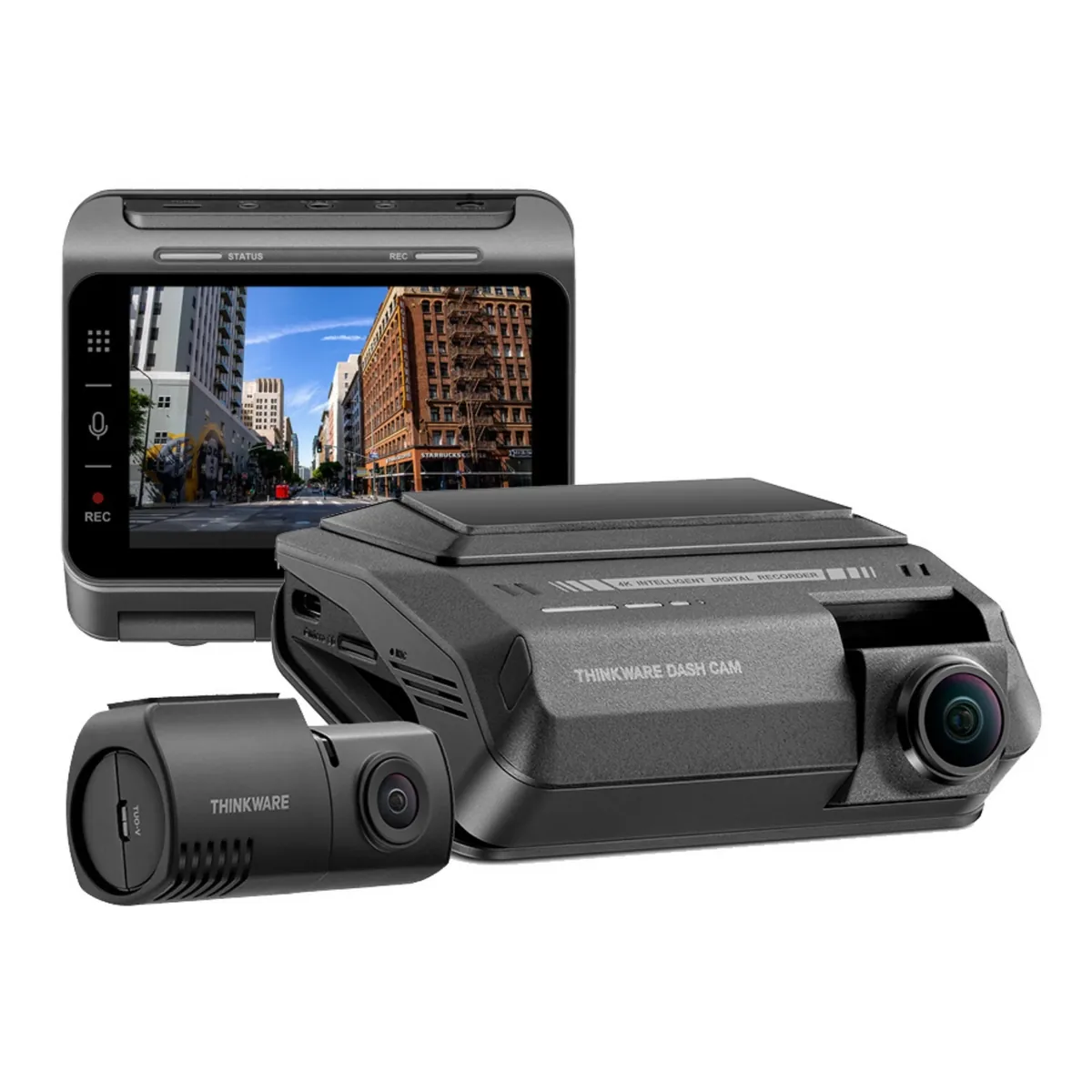
Thinkware ARC900
- Front px/°
- 26.1
- Front
- 2160p/30
- 147° lens
Thinkware U1000
- Front px/°
- 25.6
- Front
- 2160p/30
- 150° lens
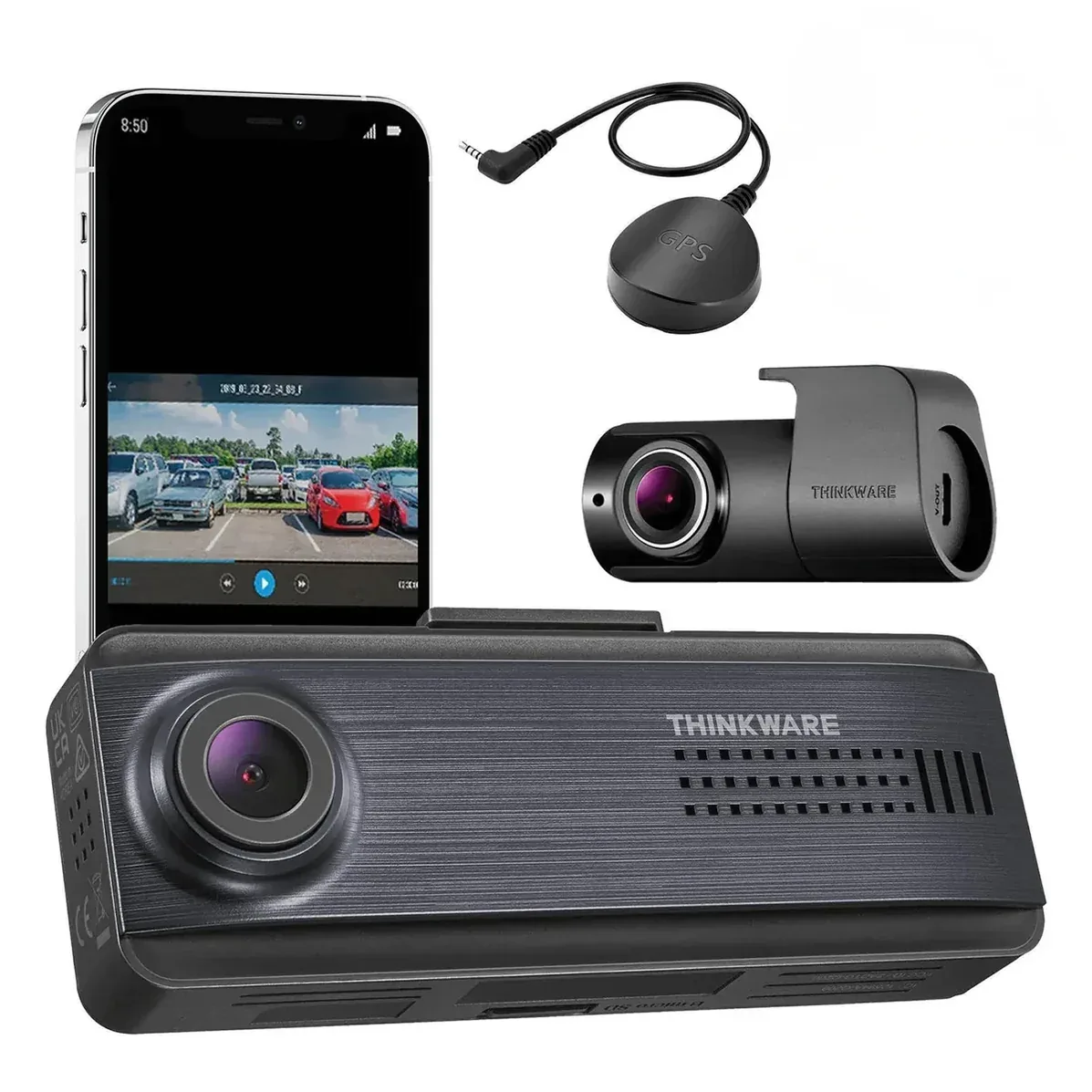
Thinkware Q200 2CH
- Front px/°
- 20.5
- Front
- 1440p/30
- 125° lens